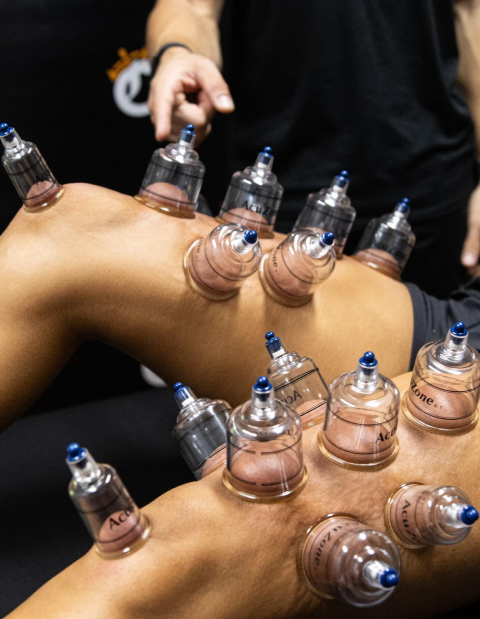
Optimal performance in any athletic endeavor depends not only on training intensity but also on how efficiently the body recovers. A sports recovery clinic brings together medical expertise, evidence-based therapies, and individualized protocols to help athletes return to peak condition faster and with reduced risk of re-injury. This article outlines the core services, scientific principles, and best practices that define a professional sports recovery clinic.
Key Disciplines Integrated in a Sports Recovery Clinic
A multidisciplinary approach ensures that every aspect of recovery is addressed, from tissue healing to neuromuscular re-education. The primary disciplines typically include:
- Sports Medicine Physicians – Diagnose injuries, prescribe medication, and oversee the overall recovery plan.
- Physical Therapists – Implement therapeutic exercises, manual techniques, and functional training.
- Sports Chiropractors – Focus on spinal alignment and joint mobility to support biomechanical efficiency.
- Exercise Physiologists – Design conditioning programs that restore cardiovascular and metabolic capacity.
- Nutrition Specialists – Provide dietary strategies that promote tissue repair and energy replenishment.
For a deeper look at how these professionals collaborate, Read more about this topic.
Evidence-Based Recovery Modalities
1. Cryotherapy and Contrast Therapy
Cold exposure reduces inflammation and pain, while alternating hot and cold can enhance circulation. Protocols are tailored to injury type, duration, and athlete tolerance.
2. Therapeutic Ultrasound and Laser Therapy
These modalities deliver acoustic or light energy to accelerate cellular metabolism, promote collagen synthesis, and improve tissue elasticity.
3. Manual Therapy
Hands-on techniques such as myofascial release, joint mobilization, and trigger point therapy address soft-tissue restrictions and restore range of motion.
4. Neuromuscular Electrical Stimulation (NMES)
Electrical currents stimulate muscle contraction, helping to prevent atrophy during periods of immobilization and to retrain motor patterns.
5. Regenerative Medicine
Platelet-rich plasma (PRP) and stem-cell injections are emerging options for accelerating healing of tendons, ligaments, and cartilage.
To explore the scientific foundations of these treatments, Learn more in this detailed guide.
Designing an Individualized Recovery Plan
Effective recovery is not a one-size-fits-all process. Clinics develop personalized programs based on the athlete’s sport, injury history, and performance goals. The planning stages typically involve:
- Comprehensive Assessment – Physical examination, functional testing, and imaging when necessary.
- Goal Setting – Short-term milestones (e.g., pain reduction) and long-term objectives (e.g., return to competition).
- Modalities Selection – Choosing appropriate therapies based on evidence and athlete preference.
- Progress Monitoring – Regular re-evaluation using objective metrics such as strength ratios, flexibility scores, and pain scales.
For practical examples of assessment tools, Explore further insights here.
Best Practices for Maximizing Recovery Outcomes
- Timing – Initiate appropriate interventions as soon as medically safe to capitalize on the acute healing phase.
- Load Management – Gradually re-introduce mechanical stress to avoid overload and re-injury.
- Sleep Hygiene – Prioritize 7-9 hours of quality sleep to support hormonal regulation and tissue repair.
- Hydration and Nutrition – Ensure adequate protein intake (1.2-2.0 g/kg body weight) and electrolytes to facilitate recovery.
- Psychological Support – Incorporate mental skills training to address anxiety, motivation, and confidence during rehabilitation.
Measuring Success and Ongoing Care
Outcome measurement is essential for validating the effectiveness of a recovery program. Common metrics include:
- Range of motion (degrees) compared to baseline.
- Strength ratios (e.g., hamstring-quadriceps) measured with handheld dynamometry.
- Functional performance tests such as hop distance or agility drills.
- Patient-reported outcome measures (PROMs) like the VISA-A questionnaire for ankle injuries.
Continuous education and periodic reassessment help athletes maintain gains and prevent future setbacks. For additional resources on tracking progress, Find additional information here.
Conclusion
Sports recovery clinics serve as a critical bridge between injury and peak performance, leveraging a blend of medical expertise, therapeutic technology, and individualized planning. By adhering to evidence-based practices, employing multidisciplinary teams, and focusing on measurable outcomes, these clinics enable athletes to recover safely, return stronger, and sustain long-term health.
