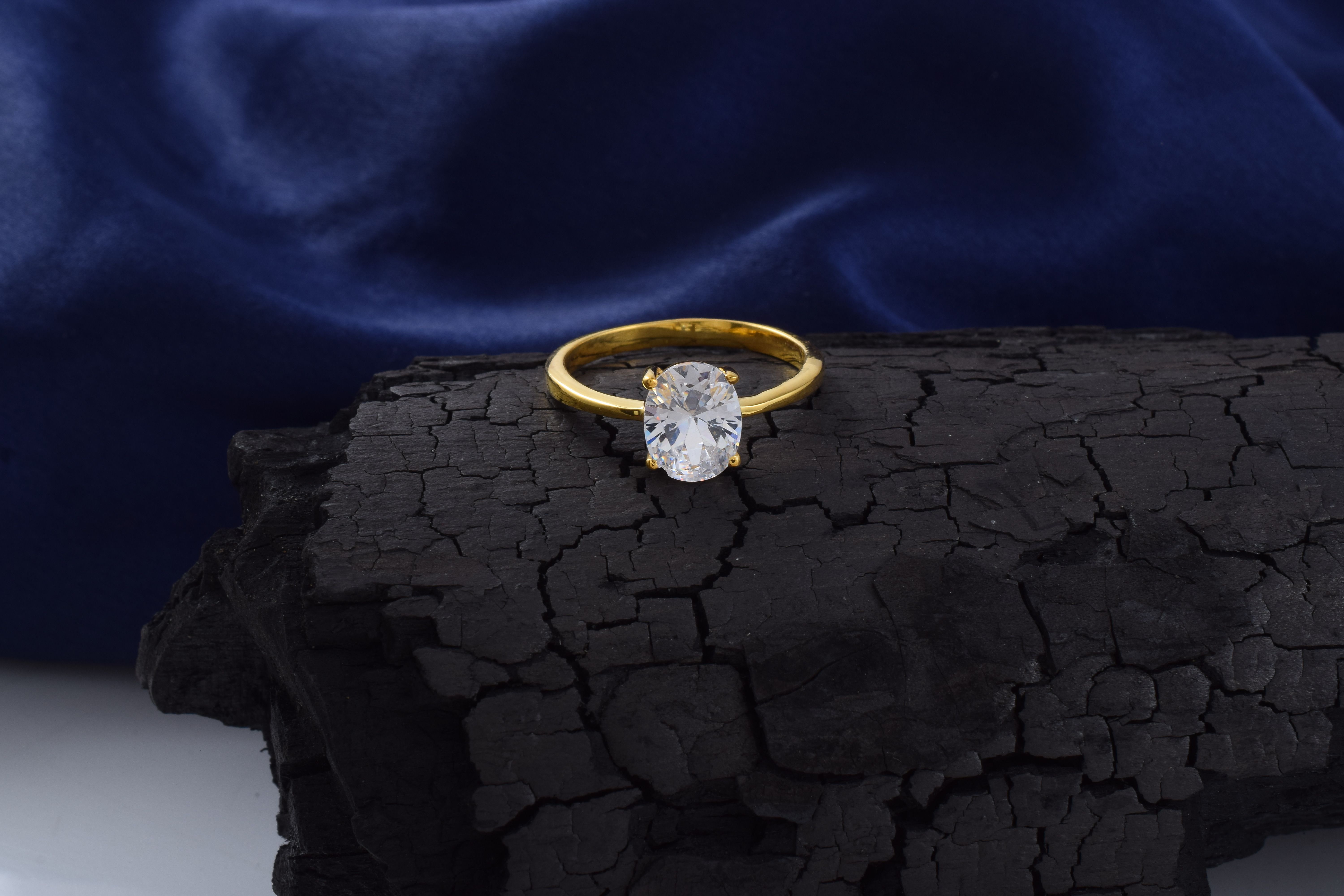
The journey to finding the perfect engagement ring can be as exhilarating as the decision to propose. Diamond engagement rings are timeless symbols of love and commitment, cherished by couples worldwide. With a myriad of options available, selecting the ideal ring can seem daunting. However, understanding the key elements of diamond engagement rings can transform this experience into a memorable journey. From the cut and clarity to the setting and style, each aspect plays a crucial role in reflecting personal tastes and eternal love.
The Four Cs of Diamonds
When selecting a diamond, understanding the Four Cs?Cut, Color, Clarity, and Carat?can greatly influence your choice. These aspects not only determine the beauty of a diamond but also its value and rarity.
Cut
The cut of a diamond is perhaps its most important characteristic, affecting its brilliance and sparkle. A well-cut diamond reflects light perfectly, creating that sought-after shimmer. To gain a deeper understanding of diamond cuts and their impact on light performance, explore advanced guides and tips.
Color and Clarity
– **Color**: Diamonds are graded on a color scale from D (colorless) to Z (light yellow or brown). The less color a diamond has, the rarer and more valuable it is.
– **Clarity**: This refers to the presence of inclusions or blemishes in a diamond. The clearer the diamond, the higher its quality and price. To better comprehend how these factors influence diamond selection, find out more about this approach.
Carat
Carat weight measures the size of the diamond. While larger diamonds are often more desirable, the right carat weight depends on personal preference and budget. For those looking to balance size with other quality factors, learn about tailored solutions to make an informed decision.
Styles and Settings
The setting of a diamond ring influences its overall appearance and how the diamond is displayed. Popular settings include solitaire, halo, and three-stone, each offering its unique charm.
Popular Settings
– **Solitaire**: A classic choice, the solitaire setting highlights a single diamond, emphasizing its brilliance and elegance.
– **Halo**: This setting surrounds the central diamond with smaller stones, enhancing its size and sparkle.
– **Three-Stone**: Symbolizing the past, present, and future, this setting features three diamonds, often with the center stone larger than the two side stones.
To explore these settings further and see which style suits you best, discover expert strategies here that guide you in making the perfect selection.
Choosing the Right Metal
Selecting the metal for your engagement ring band is just as significant as choosing the diamond. Common metals include gold, platinum, and white gold, each offering its own benefits.
Metal Options
– **Gold**: Available in yellow, white, and rose, gold is a traditional choice that offers versatility and timeless appeal.
– **Platinum**: Known for its durability and hypoallergenic properties, platinum is ideal for those seeking a long-lasting, elegant finish.
– **White Gold**: Offering a similar look to platinum but at a lower cost, white gold is a popular contemporary choice.
For more insights into selecting the perfect metal, explore advanced guides and tips that align with your personal style and needs.
Conclusion
Selecting the perfect diamond engagement ring is a journey filled with personal expression and meaningful choices. By understanding the intricacies of diamond selection and ring settings, individuals can make informed decisions that reflect their unique love story. For comprehensive guidance and a more detailed exploration into diamond engagement rings, discover expert strategies here to ensure a memorable and satisfying experience.