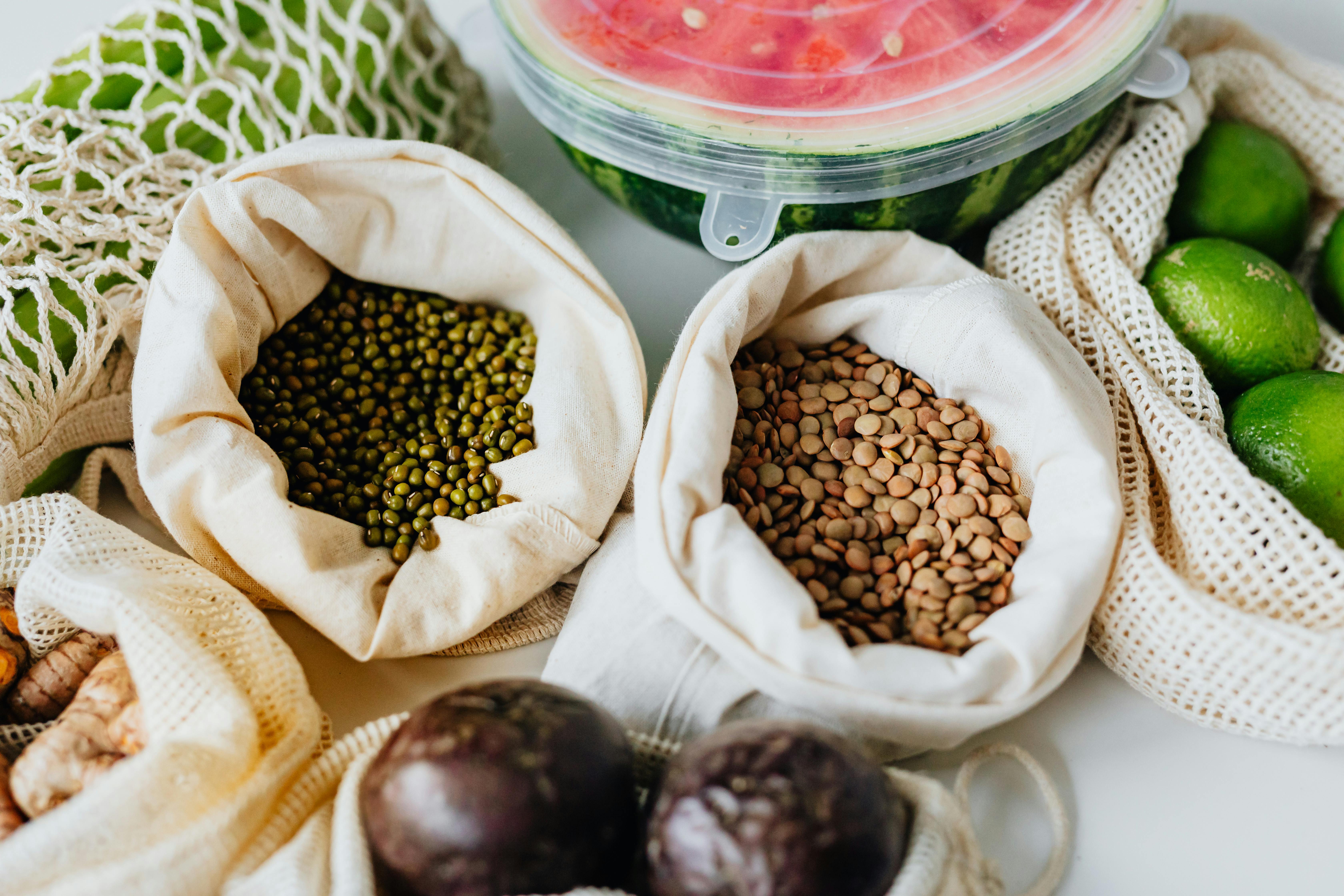
In the rapidly evolving world of plant-based ingredients, manufacturers are continually seeking innovative solutions to meet the growing consumer demand for sustainable, healthy, and ethically produced products. The shift towards plant-based diets is more than a trend; it is a significant movement driven by environmental awareness, health consciousness, and ethical considerations. As manufacturers pivot to embrace this market, they face unique challenges that require expert strategies and tailored solutions. Staying ahead in this competitive industry demands a deep understanding of both the science behind plant-based ingredients and the market dynamics.
Understanding the Plant-Based Market
The plant-based market is characterized by its diversity and rapid growth. To successfully navigate this landscape, manufacturers must:
- Identify consumer preferences and trends.
- Develop products that cater to various dietary needs, such as vegan, gluten-free, and allergen-free options.
- Ensure sustainability in sourcing and production practices.
- Stay compliant with regulations and standards.
By understanding these elements, manufacturers can position themselves as leaders in the industry. Discover expert strategies here.
Innovative Ingredient Solutions
The backbone of any successful plant-based product starts with the ingredients. Manufacturers are turning to innovative solutions to enhance the nutritional profile, taste, and texture of plant-based foods. Key strategies include:
Alternative Protein Sources
Diversifying protein sources is crucial. Beyond traditional soy and wheat proteins, the exploration of alternative sources such as pea, lentil, and algae proteins is gaining momentum. Algae, in particular, offers a sustainable and nutrient-rich option. Learn about our tailored solutions.
Enhancing Flavor and Texture
Taste and texture are pivotal in consumer acceptance of plant-based products. Manufacturers employ advanced processing techniques and natural flavor enhancers to improve palatability. Explore advanced guides and tips.
Sustainability and Ethical Practices
Sustainability is at the heart of plant-based manufacturing. Companies are adopting practices that minimize environmental impact, such as:
- Utilizing eco-friendly packaging materials.
- Implementing waste reduction strategies.
- Focusing on water and energy efficiency in production.
- Promoting ethical sourcing and fair trade practices.
These efforts not only appeal to environmentally conscious consumers but also contribute to a more sustainable planet. Find out more about this approach.
Regulatory Compliance and Quality Assurance
Navigating the regulatory landscape is a critical component of plant-based ingredient manufacturing. Ensuring compliance with food safety standards and labeling regulations is essential. Manufacturers must:
- Stay updated with global and local regulations.
- Implement rigorous quality control systems.
- Engage with industry bodies and certifications.
By focusing on these areas, companies can maintain high standards of quality and safety, fostering consumer trust and brand loyalty. Discover expert strategies here.
The future of the food industry is undeniably leaning towards plant-based solutions. By embracing innovative ingredient technologies, sustainable practices, and regulatory compliance, manufacturers can not only meet current market demands but also pave the way for a more sustainable and ethical future. In this dynamic industry, staying informed and adaptable is key to success.