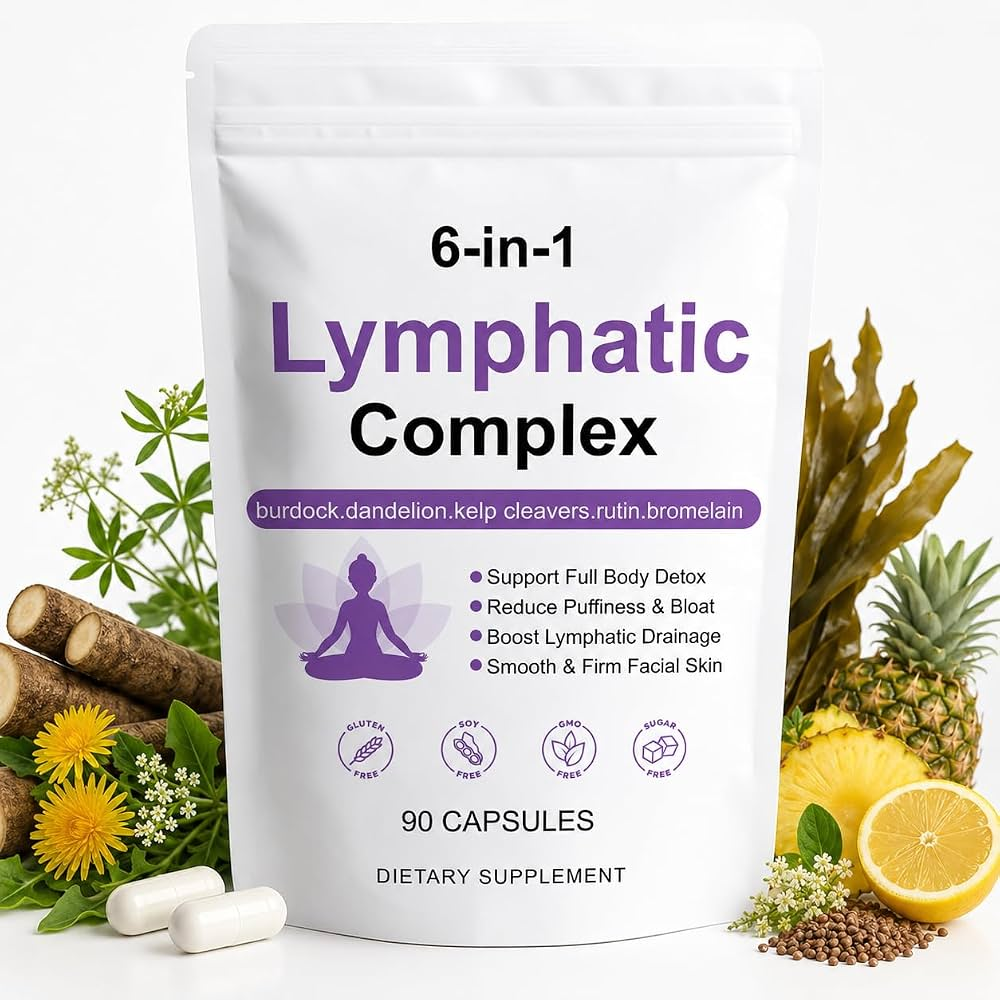
The lymphatic system plays an important role in maintaining fluid balance, supporting immune function, and transporting lymph throughout the body. Because of its role in these processes, many people explore a lymphatic drainage supplement as part of their daily wellness routine. These supplements often contain vitamins, minerals, and botanical ingredients intended to support general health.
However, understanding what these products can and cannot do is essential before adding one to your routine. Although certain nutrients contribute to normal immune and muscle function, scientific evidence that supplements directly improve lymphatic drainage remains limited. A balanced approach that combines proper nutrition, regular movement, and appropriate medical guidance is important for supporting overall well-being.
What Is a Lymphatic Drainage Supplement?
A lymphatic drainage supplement is a dietary product marketed to support lymphatic health and normal fluid balance. Depending on the formulation, it may contain essential nutrients, plant extracts, and antioxidant compounds.
The lymphatic system collects excess fluid from body tissues and returns it to the bloodstream. It also supports immune responses by transporting lymph through lymph nodes. Unlike blood circulation, lymph movement relies partly on muscle contractions, breathing, and the activity of lymphatic vessels.
While supplements can help address certain nutritional deficiencies, they are not proven treatments for lymphatic congestion, lymphedema, or unexplained swelling. Their usefulness depends on the ingredients, individual nutritional needs, and overall health.
Potential Benefits of Lymphatic Drainage Supplements
Supporting Normal Immune Function
The lymphatic system is closely connected to the body’s immune defenses. Certain nutrients commonly found in dietary supplements, including vitamin C and zinc, contribute to normal immune function.
Maintaining adequate levels of these nutrients helps the body perform essential biological processes. However, taking additional amounts when nutritional needs are already met does not necessarily provide extra benefits or directly improve lymphatic drainage.
Contributing to General Fluid Balance
The lymphatic system helps collect excess fluid from tissues and return it to circulation. Maintaining normal fluid balance also depends on kidney function, blood vessels, hydration, and other physiological processes.
Although lymphatic drainage supplements are sometimes marketed for water retention, there is limited evidence that these products reliably reduce fluid accumulation. Persistent swelling may indicate an underlying medical condition that requires professional evaluation.
Providing Essential Nutrients
Some supplements contain vitamins, minerals, and plant-derived compounds that support normal bodily functions. For individuals with inadequate dietary intake, correcting nutritional deficiencies may contribute to general health.
Nevertheless, no supplement should be considered a substitute for a balanced diet, physical activity, or appropriate treatment for a diagnosed lymphatic condition.
Common Ingredients in Lymphatic Drainage Supplements
Vitamin C
Vitamin C supports collagen formation, antioxidant protection, and normal immune function. It helps maintain connective tissues and is found in foods such as oranges, strawberries, kiwi, broccoli, and bell peppers.
A supplement may be useful when dietary intake is insufficient, but vitamin C has not been shown to directly increase lymphatic flow.
Zinc
Zinc is an essential mineral involved in immune function, wound healing, and numerous cellular processes. Foods such as legumes, seeds, nuts, dairy products, and seafood can help provide adequate amounts.
Excessive zinc supplementation can cause side effects and interfere with copper absorption, so dosage matters.
Magnesium
Magnesium supports muscle function, nerve signaling, and energy metabolism. Because muscle contractions help move lymph through the body, adequate magnesium intake contributes to normal physiological function.
However, magnesium supplements are not an established treatment for lymphatic congestion or swelling. Dietary sources include leafy greens, whole grains, beans, and nuts.
Plant-Based Extracts
Some formulas contain grape seed extract, flavonoids, or other botanical ingredients. These compounds may have antioxidant or vascular effects that researchers continue to investigate.
Evidence supporting their direct impact on lymphatic drainage remains insufficient. Herbal ingredients can also cause side effects or interact with medications, so it is important to review product information carefully.
How to Choose a Quality Lymphatic Drainage Supplement
Choosing a suitable product requires more than looking at its marketing claims. Consider the following factors before making a purchase:
- Review the ingredient list: Check the active ingredients, serving size, and amounts provided per serving.
- Look for transparent labeling: Choose products from reputable manufacturers that clearly disclose their ingredients.
- Check quality standards: Independent testing, where available, may provide additional information about product identity and purity.
- Avoid exaggerated claims: Be cautious of promises involving instant detoxification, guaranteed swelling reduction, or rapid results.
- Consider potential interactions: Discuss supplementation with a healthcare professional if you take medication or have an existing medical condition.
If you are pregnant, breastfeeding, or managing a chronic condition, seek professional advice before starting a new supplement.
Lifestyle Habits That Support Lymphatic Health
Supplements are only one consideration in an overall wellness routine. Everyday habits can help support normal lymphatic function and general health.
Stay Physically Active
Walking, gentle stretching, and other suitable forms of exercise encourage muscle contractions that assist lymph movement. Choose activities appropriate for your fitness level and medical needs.
Maintain Adequate Hydration
Drinking enough water supports normal bodily functions. Individual hydration requirements vary according to activity, climate, and health conditions.
Follow a Balanced Diet
Include vegetables, fruits, whole grains, lean proteins, and healthy fats in your daily meals. A varied diet helps provide the nutrients needed for normal immune and muscle function.
Avoid Prolonged Inactivity
Taking regular movement breaks can help reduce the effects of sitting or standing in one position for extended periods. People with diagnosed lymphatic conditions should follow advice from their healthcare providers.
When Should You Consult a Healthcare Professional?
Persistent swelling, discomfort, heaviness, or skin changes should not automatically be attributed to poor lymphatic drainage. These symptoms can have different causes and may require medical assessment.
People with lymphedema may benefit from a personalized treatment plan that can include compression therapy, prescribed exercises, skin care, and specialist-guided lymphatic treatments. Sudden swelling accompanied by chest pain or shortness of breath requires urgent medical attention.
Conclusion
A lymphatic drainage supplement may provide essential nutrients that contribute to normal immune function, muscle activity, and general wellness. Ingredients such as vitamin C, zinc, magnesium, and selected plant extracts serve different roles in the body, but current evidence does not establish that supplements reliably improve lymphatic drainage or treat lymphatic disorders.
For a balanced approach, prioritize nutritious meals, regular physical activity, adequate hydration, and professional guidance when symptoms persist. By choosing supplements carefully and maintaining realistic expectations, you can make informed decisions that support your overall health.
