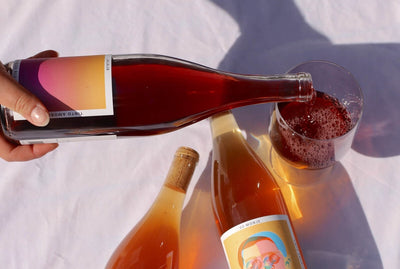
In recent years, natural wines have captivated the interest of enthusiasts and newcomers alike, drawing attention to their unique production processes and rich, unadulterated flavors. As consumers become more conscious about the origins and impacts of their choices, natural wines present an alluring option. These wines are crafted with minimal intervention, allowing the natural characteristics of the grapes and the terroir to shine through. For those looking to explore the world of natural wines, there are a myriad of options that promise to delight the senses while offering a glimpse into sustainable viticulture practices.
Understanding the Essence of Natural Wines
Natural wines stand apart from conventional wines through their commitment to purity and authenticity. Unlike mass-produced wines, natural wines undergo a less invasive production process. This means fewer additives and a focus on letting the grape’s intrinsic qualities lead the tasting experience.
Key Characteristics of Natural Wines
- Minimal Intervention: Winemakers employ traditional methods, avoiding artificial additives and technology-driven processes.
- Organic or Biodynamic Farming: Grapes are grown without synthetic pesticides or fertilizers, emphasizing sustainability.
- Native Yeasts: Fermentation relies on the naturally occurring yeasts found on the grape skins and in the winery environment.
- Unfiltered and Unfined: Many natural wines are bottled without filtration, preserving more of the wine’s natural flavors and textures.
To delve deeper into how these practices affect the final product, discover expert strategies here.
The Flavor Profiles of Natural Wines
Natural wines are celebrated for their diverse and often unpredictable flavor profiles, which can range from earthy and robust to light and fruity. This variability is largely due to the minimal intervention approach and the use of native yeasts, which can produce unique aromatic compounds.
Factors Influencing Flavor
- Terroir: The geographical and environmental factors where the grapes are grown can significantly influence the wine’s taste.
- Grape Varietals: Different grape varieties offer distinct flavors, which are more pronounced in natural wines due to the lack of additives.
- Winemaking Techniques: The decision to age in oak or stainless steel, for instance, can alter the wine’s body and flavor.
For those interested in how these elements come together in the bottle, learn about our tailored solutions to selecting the perfect natural wine.
Pairing Natural Wines with Food
One of the pleasures of enjoying wine is pairing it with food to enhance the dining experience. Natural wines, with their distinct and varied flavor profiles, offer exciting pairing possibilities.
Pairing Tips
- Balance: Match the wine’s acidity with the dish’s richness to create a harmonious balance.
- Complementary Flavors: Pair earthy natural reds with grilled meats or mushroom-based dishes.
- Contrast: Use sparkling natural wines to cut through the richness of creamy sauces.
- Experimentation: Natural wines encourage experimentation, so don’t shy away from unconventional pairings.
To explore advanced guides and tips on pairing, explore advanced guides and tips for a refined tasting experience.
Conclusion: Embracing Natural Wines
Natural wines offer a journey through diverse flavors and sustainable practices, reflecting the true essence of the grape and the land it comes from. As the wine world continues to evolve, the appreciation for these authentic products grows, promising an enriching experience for those who seek it. Whether a seasoned sommelier or a curious novice, the world of natural wines is ripe for exploration.
To find out more about this approach and discover a curated selection of natural wines, find out more about this approach and begin your journey today.