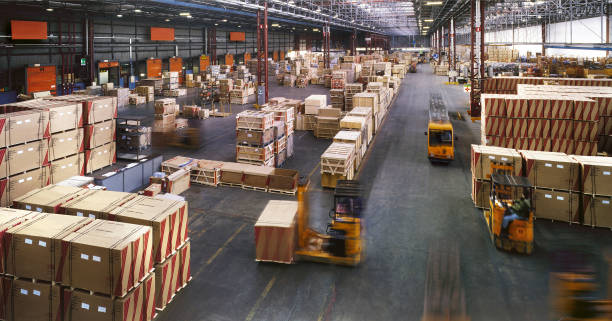
In the rapidly evolving landscape of global trade, efficient logistics and supply chain management have become crucial for businesses aiming to expand their reach across international borders. One often overlooked yet pivotal component in this intricate network is the use of export pallets. These standardized platforms not only facilitate the safe and efficient transport of goods but can also significantly streamline a company’s global supply chain operations. By understanding the advantages and strategic implementations of export pallets, businesses can enhance their logistical frameworks and achieve greater efficiency in international trade.
The Role of Export Pallets in Global Supply Chains
Export pallets serve as the backbone of logistical operations by providing a uniform base for the stacking, storing, and transporting of goods. Their importance in global supply chains cannot be overstated due to several key factors:
- Standardization: Export pallets adhere to international size and quality standards, ensuring compatibility across different transport and storage systems worldwide.
- Efficiency: By enabling quick loading and unloading, pallets reduce handling time and labor costs, thereby increasing overall operational efficiency.
- Safety: They offer a stable base for goods, minimizing the risk of damage during transit and reducing the incidence of workplace injuries.
Material Choices and Their Implications
The choice of material for export pallets can have significant implications on both cost and efficiency in the supply chain. Common materials include wood, plastic, and metal, each with their own advantages:
Wood Pallets
Wood pallets are the most widely used due to their cost-effectiveness and ease of manufacture. They are particularly advantageous for businesses looking to minimize initial expenses. However, they require treatment to comply with international phytosanitary regulations.
Plastic Pallets
Plastic pallets offer durability and resistance to moisture and chemicals, making them suitable for industries like pharmaceuticals and food where hygiene is paramount. Although more expensive, they are reusable and have a longer lifespan which can offset initial costs over time.
Metal Pallets
Metal pallets, while less common, provide unparalleled strength and can be advantageous in heavy-duty applications. They are resistant to extreme environmental conditions, making them ideal for certain niche markets.
Strategic Implementation of Export Pallets
Implementing export pallets strategically can lead to significant improvements in supply chain efficiencies. Here are some strategies to consider:
- Integration with Technology: Employing RFID tags or GPS trackers on pallets can enhance tracking and inventory management, providing real-time data and insights.
- Optimized Pallet Design: Customizing pallet design to fit specific product dimensions can maximize space utilization in shipping containers, reducing freight costs.
- Collaboration with Logistics Partners: Working closely with logistics partners to standardize pallet specifications can lead to better coordination and reduced logistical bottlenecks.
Environmental Considerations
Environmental sustainability is an increasingly important factor in supply chain management. Export pallets can contribute to a company’s green initiatives in several ways:
- Reusability: Opting for pallets made from recyclable materials or those that can be reused multiple times reduces waste and environmental footprint.
- Sustainable Sourcing: Choosing pallets made from sustainably sourced materials, such as certified wood, supports responsible forestry practices.
- Carbon Footprint Reduction: Efficient pallet utilization can lead to fewer shipments and reduced fuel consumption, lowering overall carbon emissions.
Conclusion
In conclusion, export pallets are a critical component of modern supply chains, offering numerous benefits in terms of efficiency, safety, and sustainability. By carefully selecting the right type of pallet and implementing strategic practices, businesses can greatly enhance their global logistics operations. As international trade continues to grow and evolve, leveraging the full potential of export pallets will remain an essential strategy for businesses aiming to maintain a competitive edge in the global marketplace.
