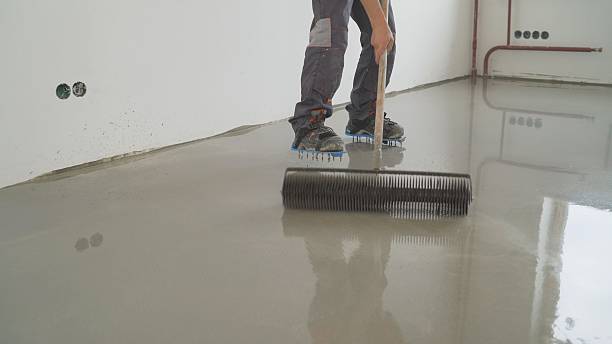
Epoxy flooring has become a popular choice for both residential and commercial spaces because of its durability, aesthetic versatility, and resistance to chemicals and wear. Selecting a qualified epoxy floor installer nearby can make the difference between a flawless, long-lasting surface and a project that requires costly repairs. This guide walks you through the essential factors to consider, the steps involved in evaluating potential contractors, and practical tips for ensuring a successful installation, all without endorsing any specific provider.
Why Choose Epoxy Flooring?
Understanding the benefits of epoxy helps clarify what to look for in a contractor’s expertise. Epoxy systems typically consist of a resin and a hardener that chemically bond to create a seamless, high-strength coating. Key advantages include:
- High resistance to stains, oil, and chemicals.
- Excellent durability for heavy foot traffic and equipment.
- Ease of cleaning and low maintenance requirements.
- Customizable colors, patterns, and textures to match design goals.
Key Criteria for Selecting a Local Epoxy Flooring Specialist
When researching potential contractors, focus on the following objective criteria:
1. Experience and Technical Knowledge
- Years of experience specifically with epoxy applications.
- Familiarity with different substrate preparations (concrete, wood, metal).
- Ability to explain the chemistry behind the coating and its impact on longevity.
2. Licensing, Insurance, and Certifications
- Valid contractor’s license for the region where the work will be performed.
- General liability and workers’ compensation insurance to protect against accidents.
- Certification from reputable epoxy manufacturers, indicating proper training.
3. Portfolio and Project References
- Documented examples of completed projects similar in size and use.
- Before-and-after photos that demonstrate surface preparation and final finish.
- Willingness to provide references from past clients (without revealing personal data).
4. Transparent Pricing and Scope of Work
- Detailed written estimate that breaks down labor, materials, and any additional fees.
- Clear description of surface preparation steps, number of coating layers, and curing times.
- Explanation of warranty terms and what is covered.
Steps to Evaluate Potential Contractors
Following a systematic approach reduces the risk of overlooking important details.
- Initial Research: Use local business directories, industry forums, and search engines to compile a shortlist of epoxy floor installers within your vicinity.
- Website Review: Examine each company’s website for evidence of professionalism, such as a portfolio, certifications, and clear contact information. For example, you can Read more about this topic.
- Request Quotes: Contact at least three candidates, providing them with specifics about the space (square footage, current floor condition, intended use). Ask for written proposals that include timelines.
- Verify Credentials: Confirm licensing and insurance status through state databases or by asking for copies of certificates.
- Compare Proposals: Look beyond price, evaluate the thoroughness of the preparation plan, the type of epoxy system proposed, and the contractor’s communication style.
- Site Visit: Invite the top candidates to inspect the site. A professional will assess moisture levels, cracks, and any necessary repairs before offering a final estimate.
Understanding the Epoxy Installation Process
A well-executed epoxy floor follows a series of precise steps. Knowing these stages helps you ask informed questions and monitor progress.
- Surface Assessment: Moisture testing and crack mapping determine the need for repairs or moisture barriers.
- Preparation: Grinding, shot blasting, or acid etching creates a profile for optimal adhesion.
- Cleaning: Removal of dust, oil, and debris ensures a clean substrate.
- Priming: Application of a compatible primer enhances bond strength.
- Mixing and Application: The resin and hardener are mixed in exact ratios and applied using rollers or squeegees.
- Curing: Proper temperature and humidity control are maintained for the recommended cure time.
- Topcoat or Finish: Optional decorative flakes, anti-slip aggregates, or clear coats add aesthetics and performance.
Maintenance Tips for Longevity
Even the best-installed epoxy floor benefits from regular care.
- Sweep or vacuum regularly to remove abrasive particles.
- Use pH-neutral cleaners; avoid acidic or solvent-based products that can degrade the coating.
- Promptly address spills, especially chemicals, to prevent staining.
- Re-apply a protective topcoat according to the manufacturer’s schedule, typically every 3-5 years for high-traffic areas.
Frequently Asked Questions
Can epoxy be applied over existing flooring?
Yes, provided the existing surface is sound, clean, and properly prepared. In many cases, a concrete slab or even a well-bonded wood subfloor can serve as a base after thorough cleaning and profiling.
How long does an epoxy floor last?
With proper installation and maintenance, a residential epoxy floor can last 10-15 years, while commercial installations often exceed 20 years.
Is epoxy safe for indoor environments?
Modern epoxy systems are low-VOC and meet indoor air quality standards when fully cured. Proper ventilation during installation is essential.
Next Steps for Homeowners and Business Owners
After gathering information and selecting a qualified installer, the final phase is scheduling the work and preparing the site. Clear communication about access, parking, and any necessary temporary relocations will keep the project on track.
For a deeper dive into the technical aspects of epoxy flooring, you can Learn more in this detailed guide. If you need additional resources on evaluating contractors, feel free to Explore further insights here. When you’re ready to compare proposals, you might Find additional information here.
