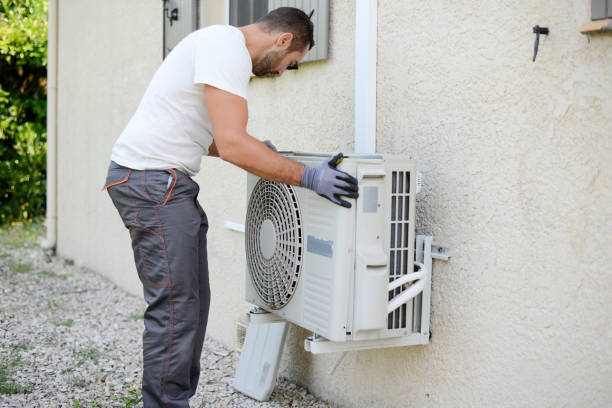
Installing a residential HVAC system is a significant investment that can greatly enhance the comfort and energy efficiency of a home. For homeowners looking to upgrade or replace their current system, understanding the process and best practices is crucial. This guide offers expert tips to ensure a seamless and efficient installation, helping to avoid common pitfalls and maximize the benefits of a new HVAC system.
Choosing the Right System
The first step in a successful residential HVAC system installation is selecting the right unit for the home. Consider the following factors:
- Size of the Home: The system’s capacity should match the size of the home to ensure efficient heating and cooling.
- Climate: Local weather conditions will influence the type of system needed.
- Energy Efficiency: Look for systems with high SEER (Seasonal Energy Efficiency Ratio) ratings to reduce energy costs.
- Budget: Determine a budget that includes both the initial purchase and long-term operating costs.
Preparing for Installation
Professional Assessment
A professional assessment of the home is essential before installation. This includes evaluating the existing ductwork, insulation, and ventilation systems. An expert can identify any necessary upgrades or repairs to ensure the new system operates efficiently.
Site Preparation
Proper site preparation is crucial for a smooth installation process. This involves:
- Clearing the Area: Ensure the installation site is free of obstructions and debris.
- Access to Utilities: Confirm that connections for electricity and gas are readily available and up to code.
- Planning for Ventilation: Proper ventilation is necessary to prevent moisture build-up and ensure air quality.
Installation Process
Working with Professionals
Partnering with trained technicians is vital for a successful HVAC installation. Skilled professionals have the expertise to handle the complexities of the installation, ensuring all components are correctly fitted and function optimally.
Testing and Calibration
Once the system is installed, comprehensive testing and calibration are necessary. This step ensures that the system operates at peak performance and meets the specific needs of the home. Technicians will check for:
- Correct Airflow: Verifying that air circulates efficiently through the ductwork.
- Thermostat Functionality: Ensuring the thermostat accurately controls the system.
- System Efficiency: Measuring energy consumption to confirm efficiency standards.
Post-Installation Maintenance
Regular maintenance is key to prolonging the life of the HVAC system and maintaining its efficiency. Homeowners should follow a maintenance schedule that includes:
- Filter Replacement: Changing air filters every 1-3 months to improve air quality and system performance.
- Professional Inspections: Scheduling annual check-ups with a qualified technician to identify and address potential issues.
- Cleaning and Upkeep: Keeping all system components clean and free of debris.
By following these expert tips, homeowners can ensure a smooth and effective residential HVAC system installation. Proper planning, professional assistance, and ongoing maintenance are critical to maximizing the system’s performance, leading to enhanced comfort and energy efficiency in the home.
