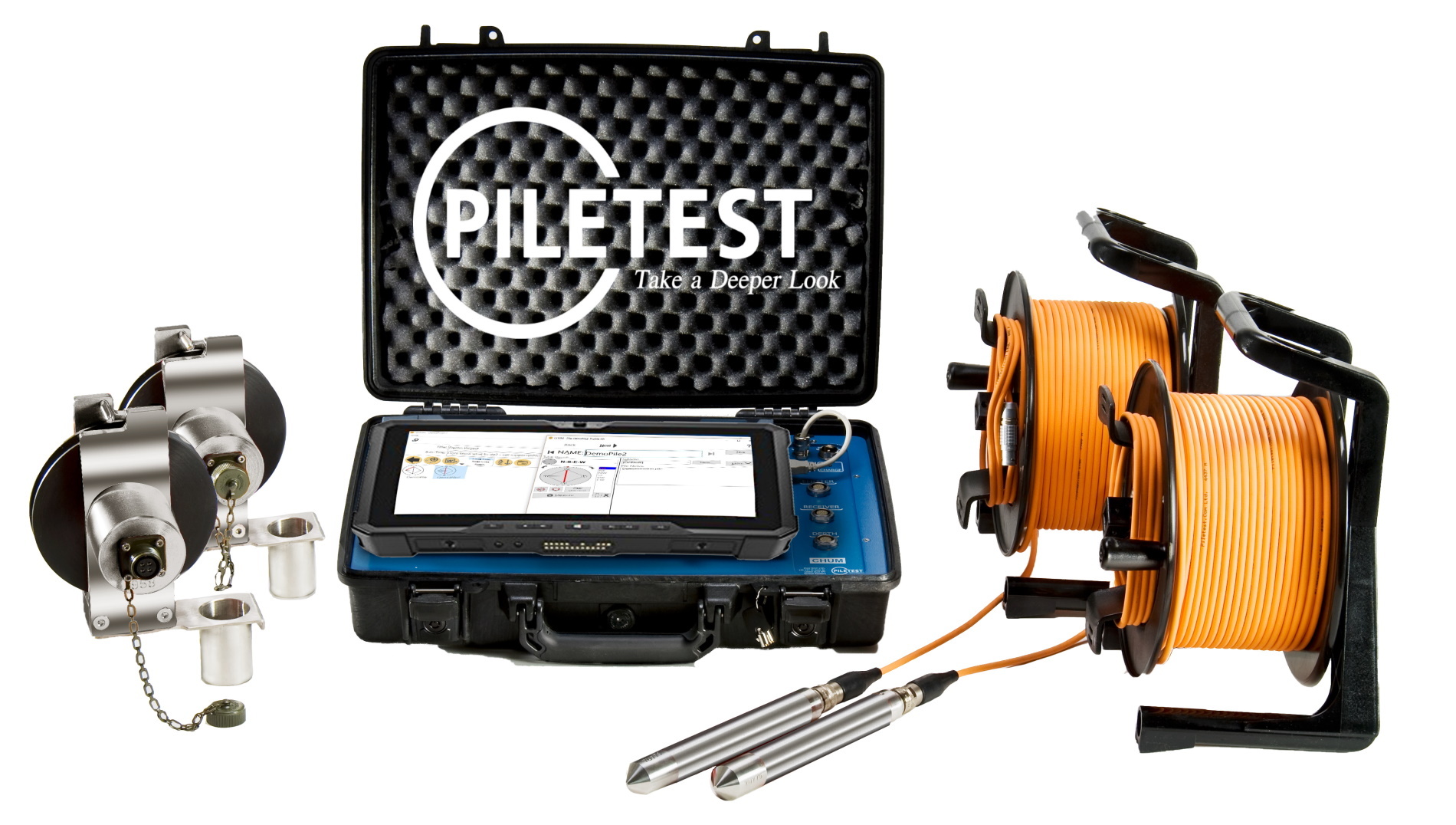
In the field of geotechnical engineering and subsurface exploration, obtaining accurate and detailed imagery of subterranean structures is crucial. The advancement of technology has paved the way for innovative methods, with 3D crosshole technology emerging as a leader in enhancing subsurface imaging. This sophisticated method allows for a comprehensive understanding of underground features, which is essential for safe and effective construction, mining, and environmental assessments.
Understanding 3D Crosshole Technology
3D crosshole technology involves the use of multiple boreholes and advanced data processing techniques to create a three-dimensional image of the subsurface. This method is particularly useful for detecting anomalies such as voids, fractures, and variations in material properties that are not easily identifiable with traditional methods.
Key Components of the Technology
- Borehole Setup: Multiple boreholes are drilled at strategic locations to facilitate comprehensive imaging.
- Data Acquisition: Specialized sensors are deployed within these boreholes to gather detailed seismic or electromagnetic data.
- Data Processing: The collected data is processed using advanced algorithms to produce a detailed 3D image of the subsurface.
- Interpretation: Experts analyze the images to identify potential issues and provide actionable insights.
Explore advanced guides and tips on implementing 3D crosshole technology effectively.
Applications and Benefits
3D crosshole technology is widely used across various industries due to its ability to provide precise and reliable subsurface images. Its applications include:
- Construction: Ensuring the stability of foundations and identifying potential hazards before construction begins.
- Mining: Mapping ore bodies and assessing the integrity of mine shafts and tunnels.
- Environmental Studies: Detecting contamination plumes and groundwater flow paths for environmental impact assessments.
The benefits of using 3D crosshole technology include:
- Enhanced Accuracy: Provides a more accurate representation of the subsurface compared to 2D methods.
- Comprehensive Coverage: Allows for a complete view of the subsurface, reducing the risk of overlooking critical areas.
- Cost Efficiency: Helps prevent costly errors by providing detailed information upfront.
Learn about our tailored solutions for various applications of this technology.
Challenges and Considerations
While 3D crosshole technology offers numerous advantages, there are challenges that must be addressed for its successful implementation:
- Technical Expertise: Requires skilled personnel to operate equipment and interpret data.
- Initial Costs: The setup and equipment can be costly, though the long-term benefits often outweigh these costs.
- Site Accessibility: Drilling multiple boreholes may be challenging in densely populated or environmentally sensitive areas.
To overcome these challenges, it is essential to discover expert strategies here.
Future Prospects
The future of 3D crosshole technology in subsurface imaging looks promising, with ongoing research and development efforts focused on enhancing its capabilities. Innovations in sensor technology, data processing algorithms, and imaging software are expected to further improve the accuracy and efficiency of this method.
As industries increasingly recognize the importance of precise subsurface imaging, the demand for advanced methods like 3D crosshole technology is likely to grow. For those seeking to stay ahead in the field, it is crucial to find out more about this approach and its potential impact on the future of geotechnical engineering.