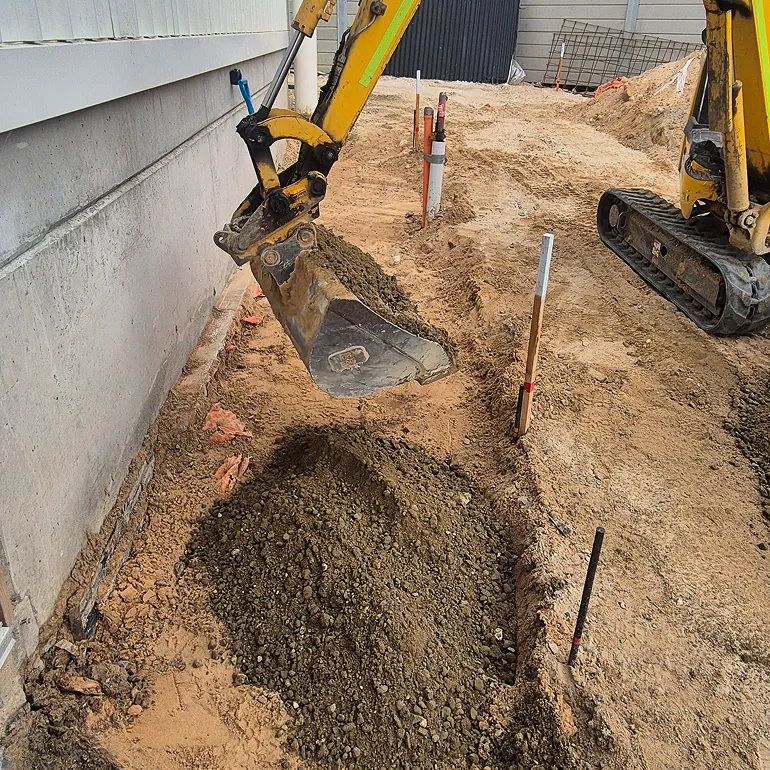
The construction industry is witnessing a paradigm shift with the growing emphasis on sustainability and eco-friendly practices. Building deconstruction and traditional demolition are two approaches that are often considered for dismantling structures. While both methods serve the purpose of clearing a site for new construction, they differ significantly in terms of process, environmental impact, and cost-effectiveness. Understanding the pros and cons of each approach is crucial for stakeholders involved in construction and real estate development. This article delves into the intricacies of building deconstruction versus traditional demolition, offering insights into their advantages and disadvantages.
Understanding Building Deconstruction
Building deconstruction is a methodical process of dismantling a structure, where materials are carefully removed for reuse or recycling. This approach prioritizes sustainability and resource efficiency.
Pros of Building Deconstruction
- Environmental Benefits: Building deconstruction significantly reduces waste sent to landfills. By salvaging materials, this method supports recycling and reuse, lessening the environmental footprint.
- Resource Recovery: Valuable materials such as wood, bricks, and fixtures can be recovered and repurposed, providing economic benefits and conserving natural resources.
- Job Creation: The labor-intensive nature of deconstruction creates jobs, contributing to local economies. Discover expert strategies here.
Cons of Building Deconstruction
- Time-Consuming: The careful dismantling of structures takes significantly more time compared to traditional demolition methods.
- Higher Initial Costs: The labor and expertise required for deconstruction can lead to higher initial costs. However, these costs may be offset by material recovery and resale.
Exploring Traditional Demolition
Traditional demolition involves the rapid teardown of structures using heavy machinery, resulting in a faster and often more cost-effective process compared to deconstruction.
Pros of Traditional Demolition
- Speed: Traditional demolition is swift, making it suitable for projects with tight timelines. Learn about our tailored solutions here.
- Lower Initial Costs: The direct approach and minimal labor requirements generally result in lower upfront costs.
Cons of Traditional Demolition
- Environmental Impact: This method generates a substantial amount of waste, contributing to landfill overflow and environmental degradation.
- Loss of Materials: Valuable resources are often destroyed or discarded, leading to missed opportunities for recycling and reuse.
- Potential for Hazardous Emissions: Dust and debris generated during demolition can pose health risks and environmental concerns.
Choosing the Right Approach
The decision between building deconstruction and traditional demolition depends on various factors, including project goals, environmental considerations, and budget constraints. Here are some guidelines to help in decision-making:
- Project Timeline: For projects with time constraints, traditional demolition may be more appropriate due to its speed.
- Environmental Goals: If sustainability and resource conservation are priorities, building deconstruction aligns with these values. Explore advanced guides and tips here.
- Budget Considerations: While deconstruction may have higher initial costs, the potential for material resale and environmental benefits can offer long-term savings.
Conclusion
Both building deconstruction and traditional demolition have their respective advantages and drawbacks. The choice between the two should be informed by a comprehensive analysis of project needs, environmental impact, and financial implications. By understanding the nuances of each approach, stakeholders can make informed decisions that align with their strategic objectives and environmental commitments. Find out more about this approach to make the most suitable choice for your project. The evolving landscape of construction demands a balanced consideration of speed, cost, and sustainability, guiding the industry towards a future of innovative and responsible practices.
