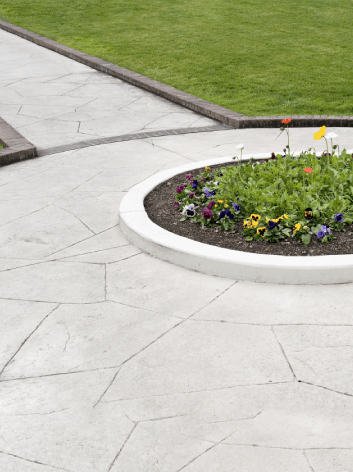
Transforming a home’s curb appeal and functional space often begins beneath the surface. A well-executed residential concrete installation provides a durable, low-maintenance foundation for driveways, patios, walkways, and interior floors. When the concrete work is performed by seasoned professionals, the result is not only a strong structural element but also an aesthetic asset that can increase property value and enhance everyday living. Understanding the key considerations, processes, and benefits of expert concrete installation helps homeowners make informed decisions that stand the test of time.
Why Choose Professional Residential Concrete Installation?
Investing in skilled concrete services offers several advantages that go beyond simple cost savings:
- Longevity: Properly mixed, placed, and cured concrete can last decades with minimal upkeep.
- Safety: Expertly finished surfaces reduce tripping hazards and provide stable footing for heavy loads.
- Customization: Stamping, staining, and polishing options allow a concrete slab to complement any design style.
- Value: A high-quality concrete installation can boost resale value and attract prospective buyers.
Key Steps in the Concrete Installation Process
1. Site Evaluation and Preparation
Before any concrete is poured, a thorough assessment of the site is essential. This includes checking soil conditions, grading, drainage, and existing utilities. Proper preparation ensures the slab will settle evenly and resist cracking.
2. Formwork and Reinforcement
Formwork defines the shape and dimensions of the slab, while reinforcement, such as rebar or wire mesh, adds tensile strength. Accurate placement of these elements is critical for structural integrity.
3. Mixing and Pouring
High-quality concrete mixes are selected based on the project’s load requirements and environmental exposure. The mix is delivered promptly and poured continuously to avoid cold joints, then spread and leveled using screeds and floats.
4. Finishing Techniques
Finishing determines the surface texture and appearance. Options include:
- Smooth troweled finishes for indoor floors.
- Stamped patterns that mimic stone, brick, or tile for outdoor patios.
- Acid staining or integral color for decorative effects.
5. Curing and Sealing
Proper curing maintains moisture in the slab, allowing the cement to hydrate fully. After curing, a sealant can protect against stains, moisture intrusion, and freeze-thaw cycles, extending the life of the concrete.
Choosing the Right Residential Concrete Contractor
When searching for a reliable residential concrete contractor, consider the following criteria:
- Licensing and insurance that meet local regulations.
- Portfolio of completed projects similar in scope and style.
- Transparent pricing and detailed written estimates.
- Positive client testimonials and a reputation for punctuality.
Professional contractors also stay current with industry standards, ensuring compliance with building codes and best-practice guidelines.
Design Trends in Modern Concrete Work
Contemporary homeowners are embracing concrete as a design element rather than a purely functional material. Current trends include:
- Polished concrete floors: High-gloss finishes that reflect light and create a sleek, modern look.
- Colored concrete: Integral pigments and stains provide subtle hues that blend with natural surroundings.
- Embedded lighting: Recessed LED strips within the slab add ambiance and safety.
- Eco-friendly mixes: Use of recycled aggregates and low-carbon cement alternatives.
Maintenance Tips for Long-Lasting Concrete
Even the best-installed concrete benefits from regular care. Follow these simple guidelines to preserve appearance and performance:
- Seal the surface every 2-3 years, especially in high-traffic or freeze-prone areas.
- Promptly clean spills to prevent staining; use pH-neutral cleaners.
- Repair cracks or chips early with epoxy or polymer-based fillers.
- Avoid using de-icing salts that can accelerate corrosion of reinforcement.
Cost Considerations and Budget Planning
Understanding the factors that influence pricing helps homeowners set realistic expectations. Typical cost drivers include:
- Size and thickness of the slab.
- Site accessibility and required excavation.
- Choice of finish (plain, stamped, polished, etc.).
- Additional features such as reinforcement, drainage systems, or decorative elements.
Obtaining multiple quotes from reputable residential concrete services can reveal the most cost-effective solutions without compromising quality.
Conclusion
Upgrading a home with professional residential concrete installation delivers lasting durability, safety, and aesthetic appeal. By selecting a skilled contractor, following best-practice installation steps, and maintaining the finished surface, homeowners can enjoy a versatile concrete foundation that enhances both everyday living and long-term property value. Whether the goal is a sleek indoor floor, a welcoming patio, or a robust driveway, expert concrete work provides the foundation for a beautifully upgraded home.