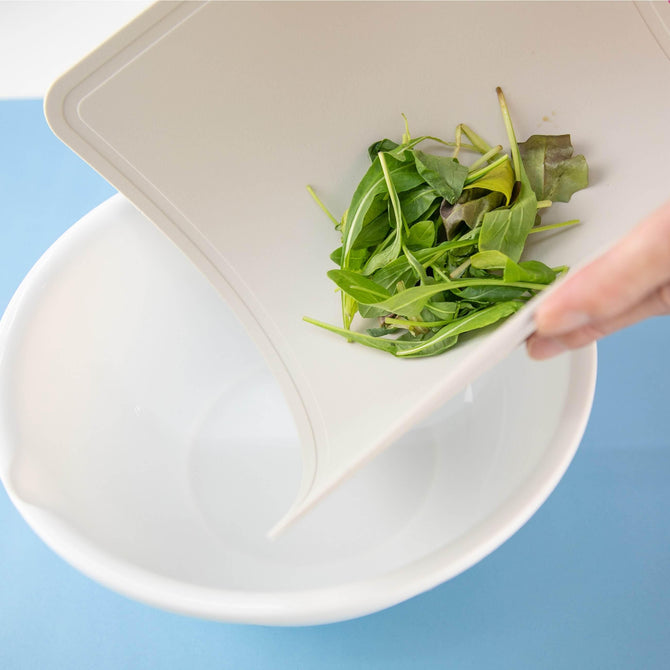
Choosing the right cutting board is an essential decision for both professional chefs and home cooks. With the variety of materials available in the market, it can be challenging to decide which one will best suit your needs. Among the options, synthetic rubber cutting boards have gained popularity due to their durability, ease of maintenance, and knife-friendly surface. This article explores the considerations for selecting the best synthetic rubber cutting board, ensuring it aligns with your culinary needs and preferences.
Understanding Synthetic Rubber Cutting Boards
Synthetic rubber cutting boards are manufactured using engineered rubber materials designed to offer a resilient and elastic surface. They provide a perfect balance between durability and the ability to protect knife edges, making them suitable for a variety of cutting tasks.
Advantages of Synthetic Rubber Cutting Boards
- Durability: These boards are designed to withstand heavy usage and resist wear and tear.
- Knife-Friendly: The soft surface reduces the dulling of knives, maintaining their sharpness for longer periods.
- Non-Slip Surface: The rubber material provides a stable surface that reduces the risk of sliding during use.
- Easy Maintenance: They are generally easy to clean and can be either hand washed or placed in the dishwasher.
To explore further insights here on the durability and maintenance of these cutting boards, consider reviewing various options available.
Factors to Consider When Choosing
Size and Thickness
The size and thickness of a cutting board are crucial factors to consider:
- Size: Ensure the board fits comfortably in your kitchen space while providing ample room for cutting tasks.
- Thickness: A thicker board offers more stability and durability, which is beneficial for intensive chopping activities.
For a comprehensive view on selecting the appropriate size and thickness, you can read more about this topic here.
Surface Texture
The texture of the cutting board surface can affect its functionality:
- Smooth Surface: Ideal for precision cutting tasks.
- Textured Surface: Provides extra grip and is less slippery, which can be beneficial for certain types of food preparation.
Purpose and Usage
Consider how you plan to use the cutting board:
- If you frequently prepare meat, look for boards with juice grooves to prevent spills.
- For vegetable preparation, ensure the board is easy to clean and does not retain odors.
To learn more in this detailed guide about selecting boards based on their intended use, consider reviewing additional resources.
Maintaining Your Synthetic Rubber Cutting Board
Proper maintenance extends the life of your cutting board and ensures hygienic food preparation:
- Regular Cleaning: Promptly clean the board after use with warm soapy water to prevent bacteria build-up.
- Sanitization: Occasionally sanitize with a vinegar solution or a mild bleach solution for deep cleaning.
- Storage: Store the board in a dry place to prevent moisture accumulation, which can lead to mold or warping.
For additional information here on maintenance tips and best practices, consider exploring further resources.
Conclusion
Choosing a synthetic rubber cutting board involves evaluating various factors such as size, texture, and intended use. These boards offer several advantages, including durability and knife protection, making them a worthwhile investment for any kitchen. By considering your specific needs and maintaining the board properly, you can enjoy the benefits of a high-quality cutting surface for years to come. For more information on selecting the best board for your kitchen, feel free to find additional information here.
