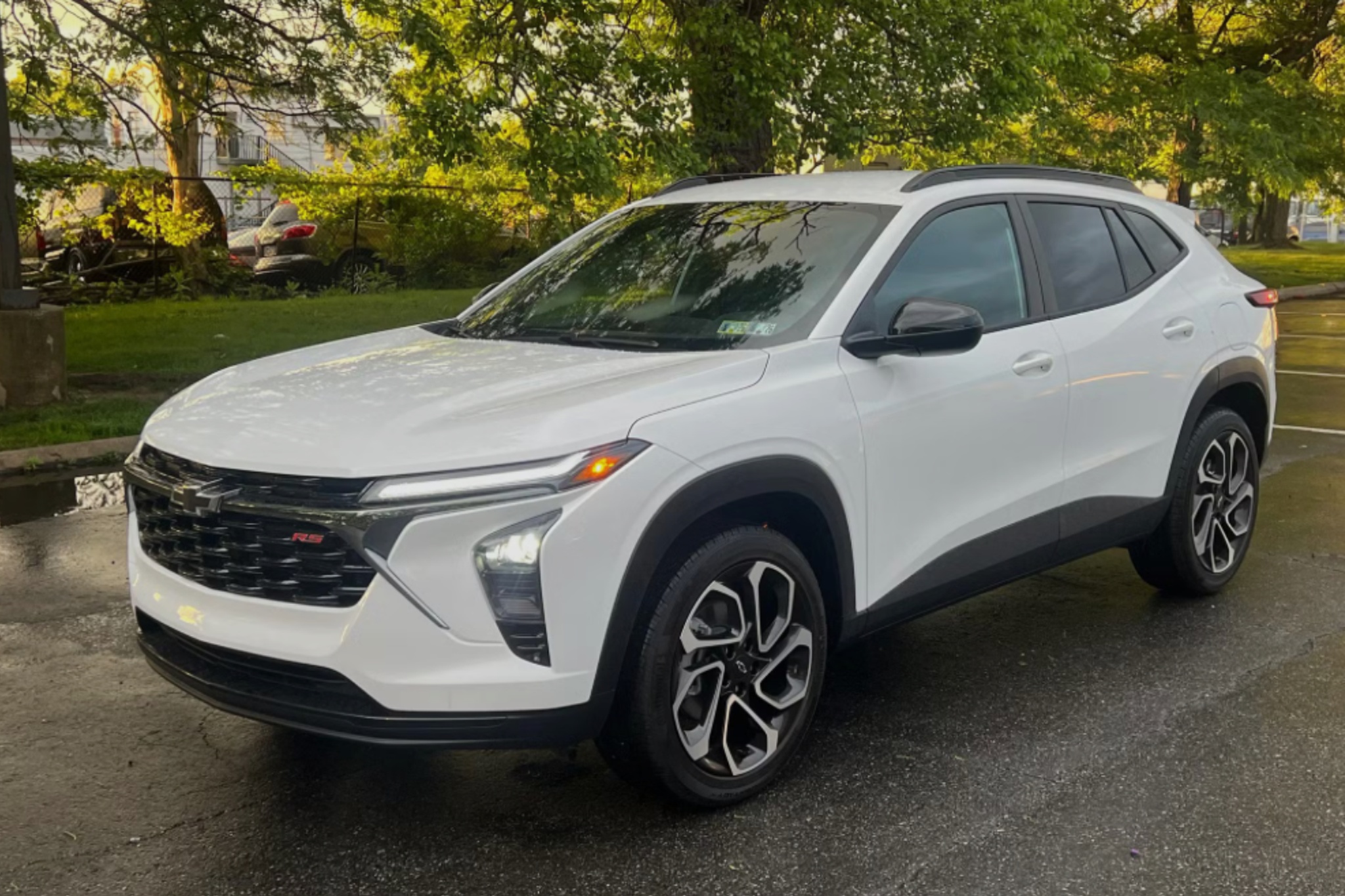
In recent years, the concept of rideshare car rental has gained considerable traction as a transformative approach to transportation. The synergy of technological advancements and evolving consumer preferences has paved the way for an innovative alternative to traditional car ownership and rental models. This shift is not just a fleeting trend but a fundamental change in how people perceive mobility. As urban centers become more congested, and the emphasis on environmental sustainability grows, rideshare car rental presents a flexible, cost-effective solution that meets the demands of modern city life. This article delves into why rideshare car rental is rapidly becoming the future of urban transportation.
Convenience and Flexibility
Rideshare car rental offers unparalleled convenience and flexibility, which traditional car rental services often lack. Key benefits include:
- On-Demand Access: Users can quickly access a vehicle without the need for lengthy paperwork or advance bookings.
- Diverse Fleet Options: A wide range of vehicles to choose from, catering to different needs and preferences.
- Flexible Rental Durations: Rent a vehicle for a few hours, a day, or longer, depending on your needs.
For those interested in understanding the nuances of this convenience, explore further insights here.
Cost-Effectiveness
Savings on Ownership Costs
One of the most compelling reasons to consider rideshare car rental is its economic advantage. Car ownership entails substantial costs, including maintenance, insurance, parking, and depreciation. With rideshare rentals, users can alleviate these financial burdens.
- No Maintenance Costs: The responsibility of vehicle upkeep falls on the rental service.
- Insurance Included: Comprehensive insurance coverage is often part of the rental package.
- Pay-As-You-Use Model: Users only pay for the time they use the vehicle, making it a cost-effective choice for those who don’t need a car daily.
To delve deeper into the financial implications, find additional information here.
Sustainability and Environmental Impact
Environmental sustainability is a critical consideration in today’s world, and rideshare car rental contributes positively in this regard. The model supports a reduced carbon footprint in several ways:
- Reduced Vehicle Ownership: Fewer cars on the road lead to decreased emissions.
- Efficient Fleet Management: Regularly serviced vehicles ensure optimal fuel efficiency.
- Incentives for Eco-Friendly Vehicles: Many services offer electric or hybrid options to promote greener choices.
For those interested in the environmental benefits, learn more in this detailed guide.
Technological Integration
Rideshare car rental thrives on advanced technological integration, which enhances user experience and operational efficiency:
- Mobile App Interfaces: Seamless booking and vehicle access via user-friendly apps.
- Real-Time Tracking: GPS and telematics provide real-time tracking and data analytics.
- Automated Systems: Automated billing and customer support streamline operations.
To understand how technology is reshaping transportation, read more about this topic.
The Future of Urban Mobility
As urban areas continue to evolve, rideshare car rental emerges as a pivotal element in shaping the future of urban mobility. It offers a sustainable, flexible, and economically viable solution that aligns with the demands of modern living. By leveraging technology and prioritizing user convenience, rideshare car rental provides a glimpse into the future of transportation, where ownership may become a thing of the past. As cities grow and environmental concerns intensify, this model is poised to play an increasingly critical role in redefining how we move.
For more insights into the future of urban mobility, explore further insights here.