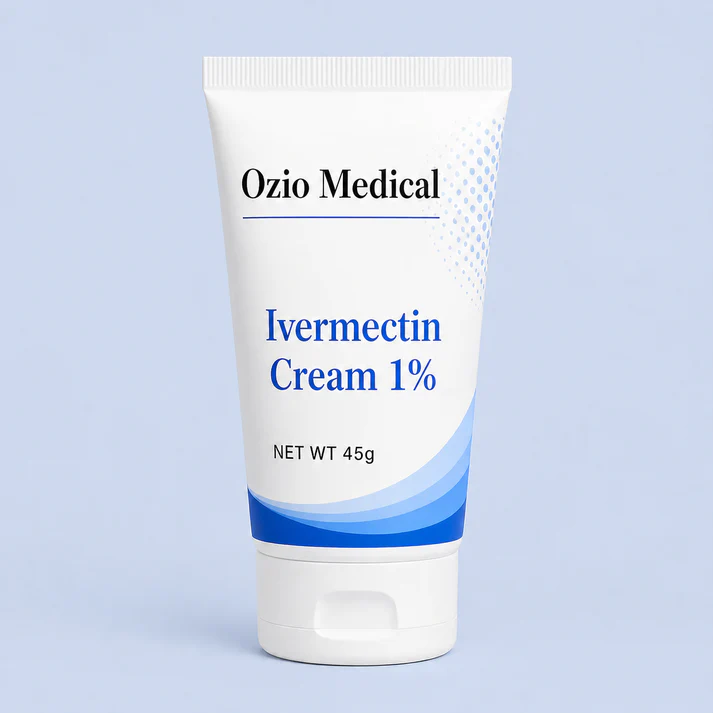
Facial skin conditions can have a significant impact on daily comfort and confidence, leading many individuals to explore topical products that may help support healthier-looking skin. With increased access to online skincare resources, consumers now have more opportunities to learn about ingredients and treatment options before making a decision. Anyone interested in researching ivermectin-based skincare products can visit the product page to review additional information about ivermectin 1% cream and its potential uses. Taking a well-informed approach to skincare can help individuals select products that align with their personal needs and goals.
What Is Soolantra Ivermectin 1 Cream?
Soolantra ivermectin 1 cream is a topical formulation commonly discussed in relation to rosacea-focused skincare. It contains ivermectin as its active ingredient and is designed to be applied directly to the skin.
Unlike products that work throughout the body, topical creams target specific areas of concern. This localized approach is one reason many consumers find topical skincare products appealing when addressing facial redness and irritation.
As awareness of rosacea grows, interest in ivermectin-based formulations continues to increase among those seeking targeted skincare solutions.
Why Topical Skincare Products Are Popular
Topical products have become a common choice for individuals looking to address visible skin concerns while maintaining a straightforward daily routine.
Targeted Application
The cream is applied directly to affected areas, allowing focused attention where symptoms are most noticeable.
Ease of Use
Most topical products require minimal preparation and can be incorporated into existing skincare habits.
Routine Compatibility
Many users combine topical creams with cleansers, moisturizers, and sunscreen products without significant disruption to their skincare regimen.
Accessibility
Consumers can easily access educational information and product details through online resources.
Understanding Rosacea
Rosacea is a chronic inflammatory condition that primarily affects facial skin. Although symptoms vary, several common signs are frequently associated with the condition.
Ongoing Facial Redness
Persistent redness is often one of the first symptoms individuals notice. It commonly appears across the cheeks, nose, forehead, and chin.
Bumps and Pustules
Inflammatory lesions may develop, creating an appearance that resembles acne despite differing causes.
Visible Blood Vessels
Small blood vessels near the skin surface can become more prominent and contribute to facial flushing.
Skin Reactivity
Many people with rosacea report increased sensitivity to skincare products, weather conditions, and certain foods or beverages.
How Ivermectin Is Studied in Skincare
Researchers continue to investigate the factors that contribute to rosacea and how topical ingredients may support skin health.
One area of focus involves inflammation. Since inflammation is closely associated with many rosacea symptoms, addressing inflammatory activity remains an important goal in skincare management.
Another area involves Demodex mites. These microscopic organisms naturally inhabit human skin, but elevated populations have been linked to rosacea symptoms in some studies. Ivermectin has been examined for its role in helping manage these populations.
Together, these areas of research have contributed to ongoing interest in ivermectin-containing skincare products.
Advantages of Learning About Products Before Purchase
Consumers who take time to research skincare products often feel more confident in their purchasing decisions.
Better Ingredient Awareness
Understanding active ingredients helps individuals evaluate whether a product aligns with their goals.
Informed Product Selection
Learning about product features and intended uses allows for more thoughtful decision-making.
Greater Confidence
Consumers often feel more comfortable purchasing products when they understand how they are designed to be used.
Improved Expectations
Research helps users develop realistic expectations regarding product application and routine integration.
Important Factors to Consider
Before selecting a skincare product, it is beneficial to evaluate several key considerations.
Product Quality
Choosing products from reputable sources may help ensure consistency and reliability.
Usage Guidelines
Reviewing product instructions can provide clarity regarding proper application methods.
Individual Skin Characteristics
Every person’s skin is unique, making it important to consider individual concerns and sensitivities.
Professional Consultation
Those with persistent or severe skin conditions may benefit from seeking advice from a qualified healthcare professional.
Creating a Healthy Daily Skincare Routine
Topical products often work best when supported by healthy skincare practices.
Cleanse Gently
Using a mild cleanser can help remove impurities while minimizing irritation.
Keep Skin Hydrated
Regular moisturization supports the skin barrier and may improve overall comfort.
Protect Against Sun Exposure
Sunlight is a common trigger for facial redness and sensitivity. Daily sunscreen use can help support skin protection.
Identify Triggers
Keeping track of factors that worsen symptoms may help individuals manage their skin more effectively.
Common Triggers Associated With Facial Redness
Although triggers vary from person to person, several are frequently reported.
Hot Weather
High temperatures can increase flushing and discomfort.
Spicy Foods
Certain foods may contribute to facial redness in susceptible individuals.
Emotional Stress
Stress is commonly linked to skin flare-ups and increased redness.
Alcohol Consumption
Some individuals notice worsening symptoms after consuming alcoholic beverages.
The Role of Online Skincare Education
The availability of educational content online has transformed how consumers approach skincare. Rather than relying solely on advertisements, many people now seek detailed information about ingredients, research findings, and product benefits.
This trend encourages greater transparency and helps individuals make more informed choices. Consumers who understand the purpose of a product are often better equipped to determine whether it fits their skincare goals.
Why Consistency Matters
A consistent skincare routine can play an important role in supporting overall skin health.
Establishing Healthy Habits
Daily application and regular skincare practices help create structure and consistency.
Monitoring Progress
Routine use allows individuals to observe changes in their skin over time.
Supporting Long-Term Goals
Consistency often contributes to maintaining a balanced skincare approach.
Building Confidence
Having a clear and manageable routine can make skincare feel more approachable and effective.
Conclusion
Soolantra ivermectin 1 cream remains a topic of interest among individuals exploring topical skincare options for rosacea-related concerns. By understanding how topical formulations work, learning about common rosacea symptoms, evaluating product information carefully, and maintaining healthy skincare habits, consumers can make informed choices that support their skincare objectives. Education, consistency, and thoughtful product selection continue to be valuable components of successful skincare management.
